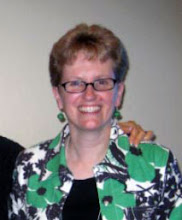
One of my favorite disability books of all time is Disability is Natural by Kathie Snow. I have referenced it many times on this blog, but have never reviewed it.
Well, Kathie spoke in my area recently and I was there. I had lost my copy of her book some time back so I picked up the new, revised, 2nd edition (and had it autographed, naturally!) and read it again...
I still love that book!
The book begins with a primer about disability through history and then goes on to discuss disability today, and then on to ways to change things for our own kids for the future.
Kathie applies what she calls Revolutionary Common Sense to life with a disability in our society from birth through adulthood and shows how the sub-standard, sub-poverty level, un-real lives that are a reality for so many folks with disabilities are created. She de-constructs EVERYTHING--things we hate like institutional programs, and things we love like early intervention and therapies, and everything in between.
Kathie believes that "It is just as natural (for human beings) to have a disability as it is not to," and as a result believes that the structures that exist to 'fight' disability, or accentuate inability or difference in our society must be replaced.
Period.
She advocates for replacing everything with a positive belief about disability and creative ideas for building "real lives" for all people with disabilities IN our society.
She teaches about natural supports, a belief in Assistive Technology as a FIRST resort to give people mobility or communication--not as a last resort turned to when people have been years without them. She teaches about person-first language and the idea that we are not aiming for 'independence' but for healthy interdependence.
Much of Kathie has written is hard to read because it makes us look long and hard on our ideas about disability--some of which we truly cherish... and if you envision a coddling, segregated life for your child, or if you need to be told that every recommendation your district makes will be PERFECT for your child, this book is not for you!
I don't agree with every idea in the book, and have made decisions now and again for my daughter that I know Kathie would not.
Yet, I LOVE this book.
I NEED this book.
I find it challenging and clarifying and energizing.
It is way too easy to drift away from my beliefs about my kids because of professional input, school district's capacities, the challenges of everyday living, etc. I aim to compromise and end up being compromised--and I often don't even realize it has happened. This book makes me think, adjust and get back on track--for a while!
In her seminar Kathie told a story about her son, Benjamin who has CP. When he was little he did tons of therapy and the therapists said he should not get a motorized wheelchair because if he did he would never walk.
Kathie had also made friends with disabilities through her state's Partners in Policymaking program and one man with CP told her over and over to get him a motorized chair so he could LIVE.
She finally listened to her friend when Benjamin was 9. She said that afternoon he went out in the backyard to play... by himself... for the first time in his life.
That made me cry.
She said he still can't walk, but doesn't think he would have anyway--and she thinks that is fine. Inability to walk is not a problem, lack of mobility is.
As for Benjamin, he's gotten to zoom along with his friends anywhere he wants since he was 9. He is now going to college. And he thinks that if a trade was made, it was a fine one.
This book is challenging in the extreme, and absolutely worth every cheerfully prickly moment!
Read it, I dare ya!
The photo above has me at the top, fellow NY Partners grad Jenn Machucki on the left and author Kathie Snow on the right. To read an article by Jennifer Machucki click here.