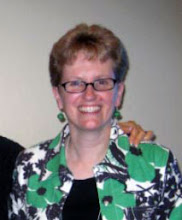
Back a few years ago I attended a rally for IDEA in Washington, DC. It was a big deal—a roadtrip to meet advocates from around the country and visit with our legislators.
While I was there I had a conversation with a group of fellow parents of children with disabilities. In the course of our conversation one woman said, “What the disability movement really needs is a hero.”
I didn’t think too much about it when she said it, but since then I have developed a real opinion.
I was in Washington this week for the Disability Policy Seminar. I spent Sunday and Monday learning tons of information about the laws that affect people with disabilities and I was in a room full of heroes: self-advocates, advocates, professionals, and parents, lobbyists and grass-roots leaders from around the country—all of whom work tirelessly to build success for people with disabilities. And for everyone who was here there are hundreds more back in our home towns also doing this good work.
I think though that my friend wanted a super-hero. Someone to fly in and rescue us (preferably someone with a snappy costume, special effects and a memorable soundtrack!)
And with this I cannot agree.
I have seen the ‘rescuer’ model of advocacy many times and I do not trust it.
It usually goes something like this: A group of concerned people will gather to discuss a pressing need and one person steps up and says (booming voice optional), “I will take care of it!!!!”
They leave the room, work ‘behind the scenes’ on the issue and at the next meeting stand up and say, “Problem solved!!!”
Sounds great, who wouldn’t want that?
Me.
Naturally.
Have you seen the movie Superman Returns?
Superman, after many years of being THE ANSWER for the people of Metropolis, left the galaxy for a long sabbatical on Krypton. Without him, Metropolis fell apart.
It seems that people had stopped learning to swim because they knew they would be rescued. The city didn’t focus on crime-reduction because they didn’t have to. Kids didn’t know to tie their balloons to their wrists…. Mobsters ran amuck… Kittens went willy-nilly up trees…
It was a mess!
My friend had the real-life equivalent of this happen in her school district. They felt lucky because they had an administrator who provided extraordinary support for their special ed parent group. In September this administrator retired to South Carolina—she might as well be on Krypton! Without her they've found that their group has no mechanism to get anything done.
They do not have relationships with anyone else in their district, they have no working knowledge of district processes, and there is no replacement hero stepping up to help them.
They are in a tough spot they didn’t foresee. Because they were successful they believed they were empowered. They were not. They were dependent all along.
A rescue may be just what you need sometimes, but it is not leadership
You may want to ask yourself how your own situations measure up. Are you or your organization overly dependent on a superhero? What can you do to empower yourselves? You want to succeed WITH your superhero, not have them succeed for you.
Another popular myth in the Developmental Disability world is that leadership is done by people who have “arrived” at some magical point. Parents promise to attempt leadership when their kids are older, professionals say they will lead when their careers are established (or once they have retired.)
Sounds reasonable.
Who could object to this?
Guess who!
Me.
Surprise, surprise!
Leadership = Influence.
People who do not develop a habit of influence will NOT suddenly become leaders at some point down the road.
Part of our problem is that we have a tendency toward all or nothing thinking. Somehow we believe that if we can’t run for president we can’t do anything at all.
The truth is that leadership is a spectrum and there are multitudes of small, medium and large actions that any person can make to influence the people and situations around them.
The picture above is a group of LEND Trainees who attended the Disability Policy Seminar. Together we learned about the policies that affect people with disabilities. On Tuesday many of us went to Capitol Hill to enlist our legislators’ support.
The issues that people with disabilities face in 2008 loom large. The good news is: everyone can make a difference.
To see really good summaries of the disability-related bills that will be before congress this year click HERE.
To read an excellent essay about taking a stand (not specifically about disability issues but absolutely applicable) click HERE.